

For a long time, wellness asked something very specific of us: composure. Quiet rooms, inward focus, the steady work of self-optimization. The category was built on the idea that healing meant fine-tuning our internal systems through controlled movement, calculated inputs, and results-driven performance. Biohacking, longevity, and sleep tracking all reflect a specific vision of wellness: optimized and controlled.
At the same time, another current is gaining momentum. Less visible and far less structured. For years this energy lived at the edges: festival culture, underground dance movements, communal rituals exploring alternate forms of healing. As the Global Wellness Summit noted in its 2026 report, there is now a rising wave of cathartic wellness raves and gatherings where creative expression becomes a pathway to emotional release. What once existed outside the industry is now being repositioned in the name of wellbeing.
“There is now a rising wave of cathartic wellness raves and gatherings where creative expression becomes a pathway to emotional release.”
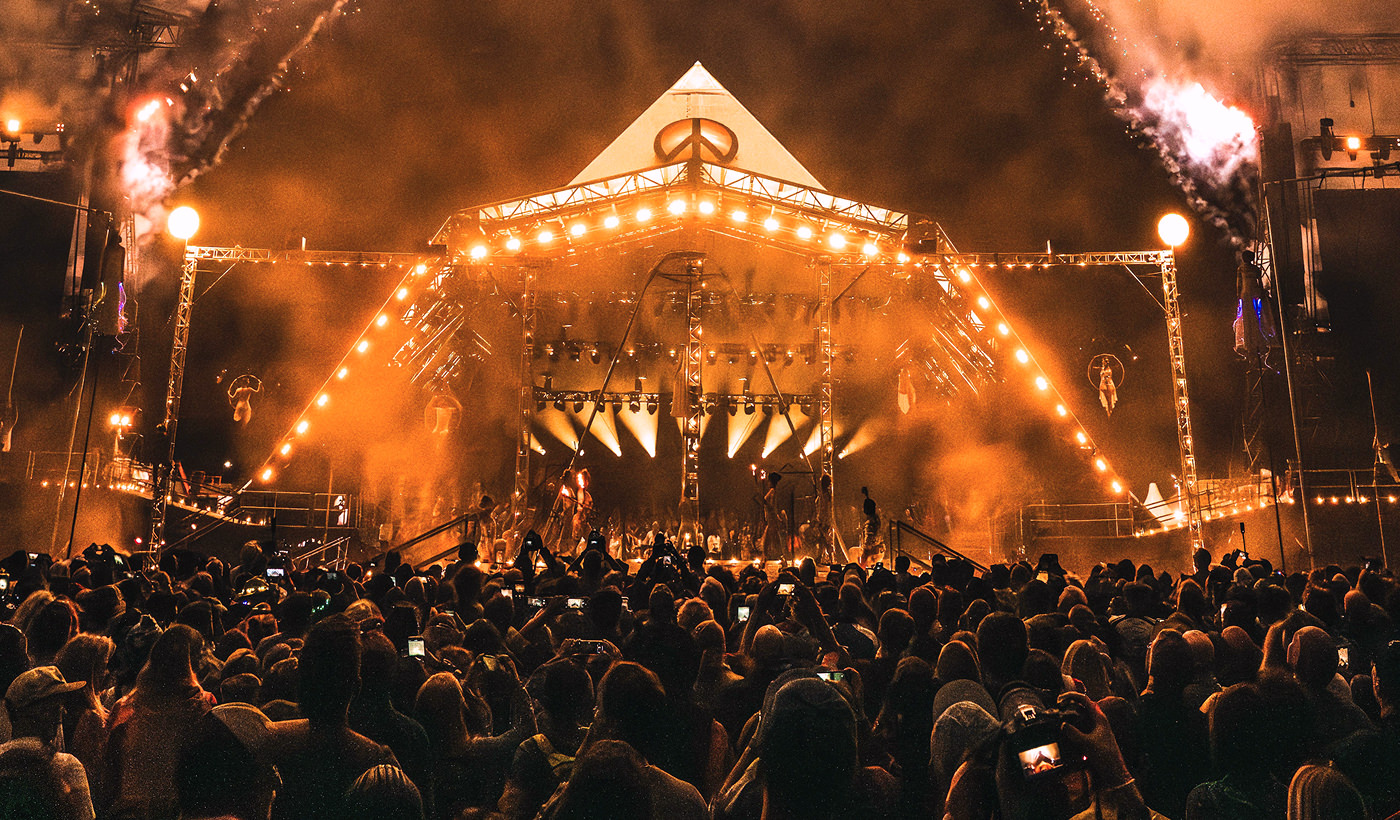
The “festivalization of wellness” is often described as a scaling story: more people, bigger experiences, broader reach. But the more interesting shift isn’t the format, it’s the pull toward deeper discovery. The industry is finally making room for the parts of human experience it spent decades quietly excluding: grief, rage, ecstasy, crying openly in a room full of strangers, losing yourself on a dance floor at 2pm on a Tuesday. The less polished parts of our experience once considered too messy, too unguarded, too real.
Induced Expression
Consider how far this openness has evolved, and what people are willing to try to unlock the uninhibited self. Ketamine drip ads are running on the New York City subway, so normalized that they barely register to the average commuter. A substance now medically endorsed to treat depression in patients who haven’t responded to conventional methods. The experience, marked by tears, uncontrolled laughter, and increased feelings of empathy and social bonding.
At the other end of the spectrum, veterans are crossing into Mexico to undergo ibogaine and DMT treatment for traumatic brain injuries. The effect is the opposite of control, inducing hallucination, intense introspection, extreme emotional excavation, and physical exhaustion. Treatments that would have been dismissed, or worse, just a few years ago, now actively endorsed by some of the most conservative voices in American politics. The boundaries of what counts as legitimate healing have shifted in ways that would have been unimaginable five years ago, and the needle is still moving.
Here, You Can Come Undone.
The same shift is playing out across the more everyday wellness rituals. In group breathwork, the involuntary sounds, the trembling, the tears aren’t side effects — they’re the point. Ecstatic dance floors run on strict structure (no phones, no alcohol, no talking) and yet produce the kind of unself-conscious physical freedom most people quietly abandoned after childhood. Somatic yoga teachers now explicitly hold space for sobbing. Grief rituals sit alongside meditation tents at major wellness festivals. Social bathhouses have quietly shifted their register from ‘restorative spa’ to something closer to ‘underground club’, dimly lit, and complete with DJs…
In Brooklyn, Othership embodies this shift most literally. Its guided sauna sessions pair breathwork, singing, dancing, even screaming, with somatic release and towel-waving rituals, the whole experience designed to help guests “regulate their emotions in a world that can’t be regulated.”
The whole experience is designed to help guests “regulate their emotions in a world that can’t be regulated.”
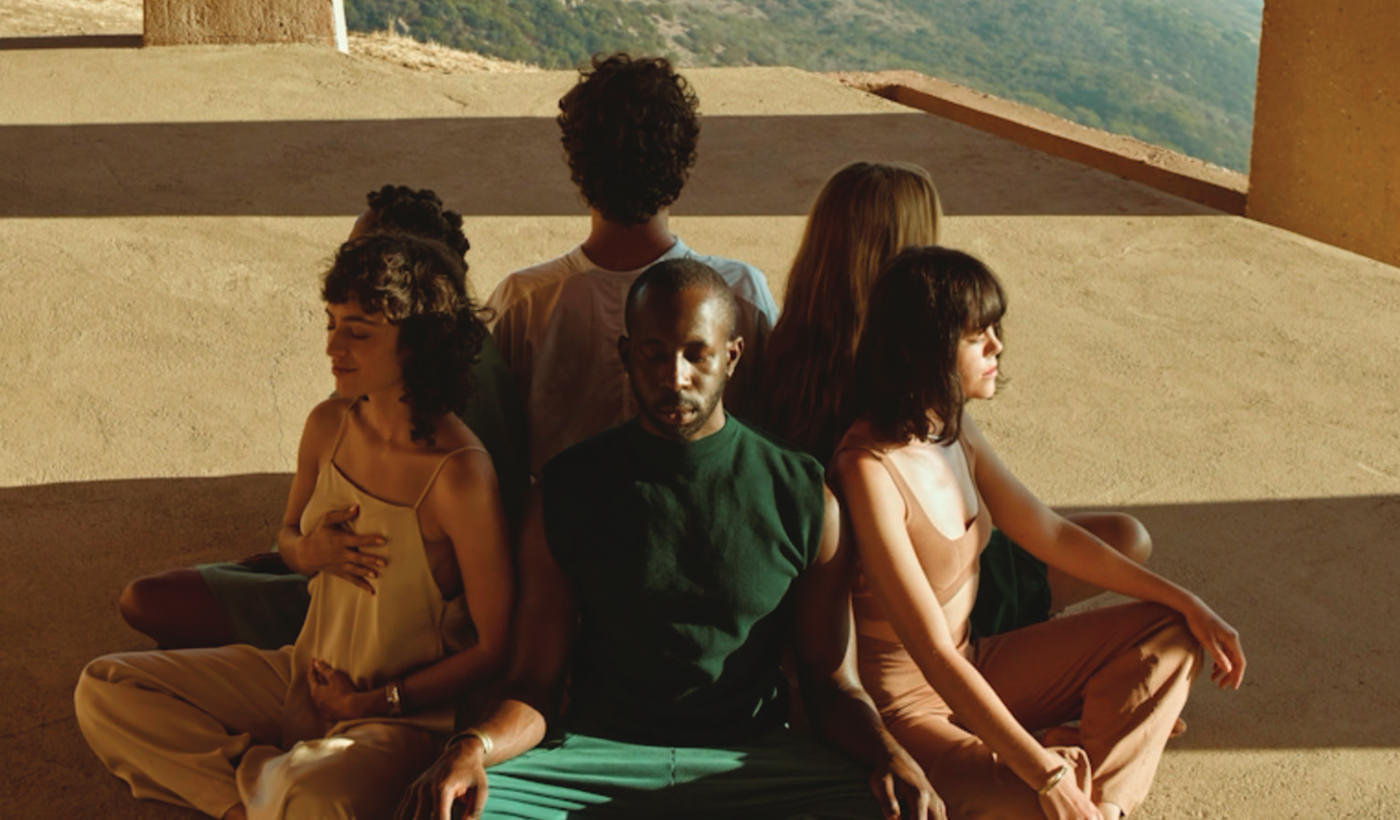
None of this emerged out of nowhere. Carnival, Dionysian ritual, gospel, rave culture–collective cathartic experience runs through almost every culture and era. What these experiences share isn’t an aesthetic, it’s the raw, unfiltered feeling of something real. The modern evolution of wellness being controlled, refined, and predictable reads the opposite, as something closer to repression than genuine feeling.
Choreographed Catharis
There’s a paradox worth noting here. These are highly designed experiences. The breathwork journey has a facilitator, a carefully sequenced playlist, a room built to hold twenty people falling apart at the same time. A choreographed catharsis. That’s not a contradiction so much as the whole architecture of it: release at scale requires structure, and losing yourself safely requires someone who knows how to hold the room. The operator’s role in this context goes beyond curation, it’s closer to stewardship of a shared emotional encounter.
For hospitality, guests now want experiences that actually do something to them emotionally. People don’t just want to feel better, they want to feel moved. What’s being built now is less a trend than a return. Wellness got very good at helping people manage themselves. What it’s rediscovering, perhaps belatedly, is something less tidy. Sometimes the most healing thing a space can offer is permission to let go.