


As hospitality brands expand beyond their core competencies – introducing specialized amenities, diversifying experiences, reaching new audiences and entering new categories – the relationship between the parent brand and its extensions becomes increasingly complex.
A considered brand architecture helps leverage the equity of an established brand while protecting against dilution, creating clarity across an expanding ecosystem and giving new concepts the ability to reach distinct audiences.
Brand architecture is the strategic framework that defines how a company organizes, names and establishes relationships across its portfolio. While terminology varies across the industry, Allis defines three primary approaches relevant to hospitality brand extensions:
/ Branded House
Operates directly under the parent brand, leveraging its name, identity and established equity across the experience.
/ Sub-brand
Builds upon the parent brand through a derivative of its name or a distinct name, while maintaining a clear strategic, verbal and visual relationship.
/ Endorsed Brand
Operates with a distinct name and identity, with a subtle connection to the parent brand that lends credibility, equity and association.
A fourth model, House of Brands, comprises largely independent brands with limited or no visible relationship to the parent. Given that this framework focuses on extending the equity of an existing hospitality brand, it is less relevant to this discussion.
As hospitality experiences become more multifaceted, encompassing restaurants and bars, health and wellness, concierge services, experiential programming, members’ clubs and other specialized concepts, intentional brand architecture becomes increasingly important.
Within hospitality, brand architecture extends beyond naming and nomenclature. It determines how verbal and visual identities relate, how closely individual experiences connect to the parent brand and where greater independence is strategically valuable. A restaurant, wellness concept or members’ club might feel intrinsically part of the property, distinctly its own while retaining a recognizable relationship, or operate with the independence of a third-party brand.
The objective is to determine the appropriate degree of connection.
Greater association can compound equity in the overarching property positioning, create a more cohesive guest experience and carry the brand’s ethos across multiple touchpoints. Greater independence can allow a concept to establish its own point of view, resonate with a more specific audience and build equity beyond the physical destination.
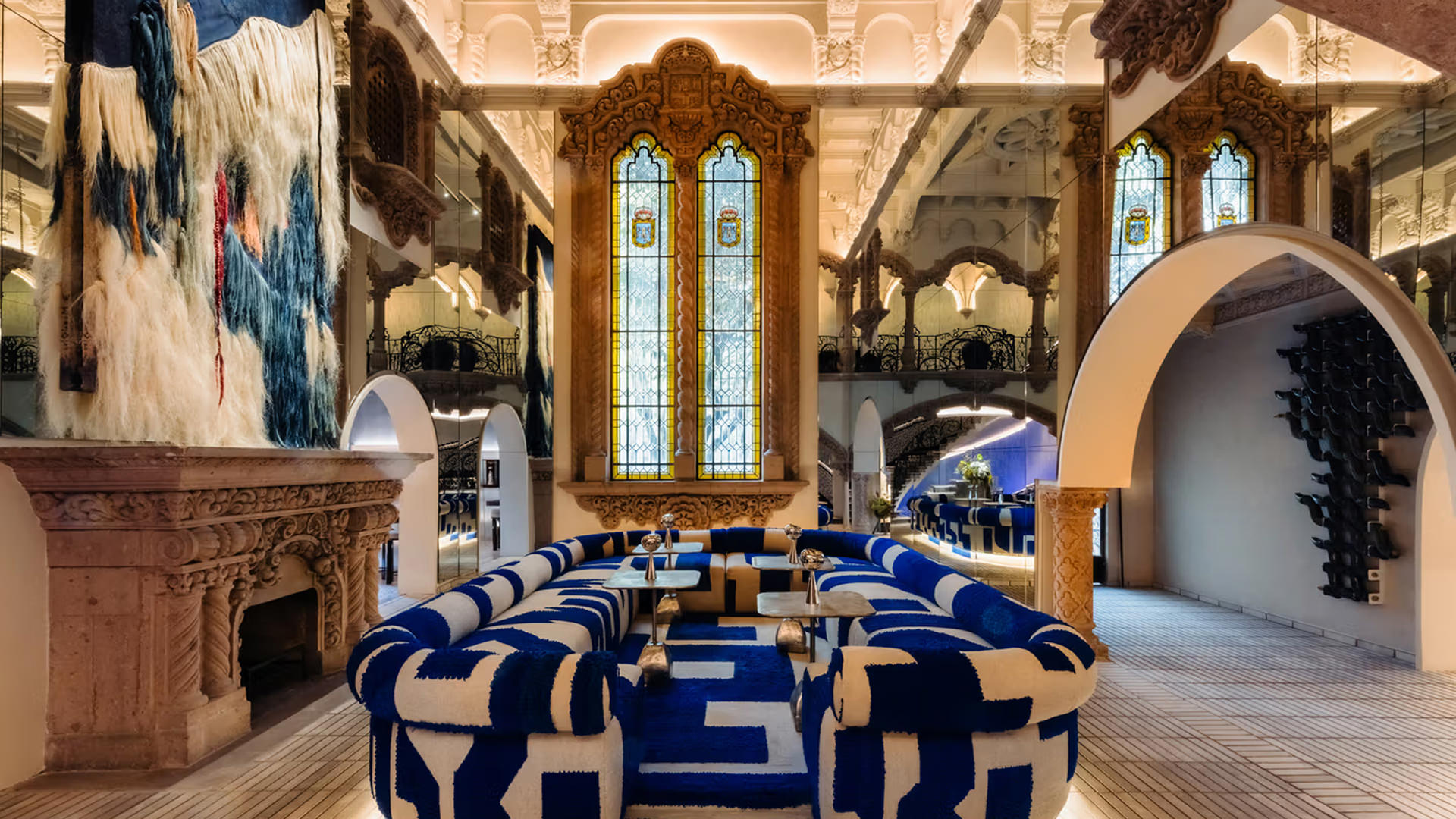
Allis Studio’s work with Clase Azul México provides an example of how brand architecture can support a company expanding well beyond the category and physical footprint in which it first established its reputation.
Clase Azul had built significant recognition through its luxury spirits and iconic handcrafted decanters, yet its ambition extended beyond tequila. The brand sought to become Mexico’s first luxury house, expressing the country’s elevated culture, craftsmanship and hospitality through an expanding collection of destinations in Mexico and key cities around the world.
The ambition was larger than category expansion. It was about establishing an association between brand and country comparable to the relationship between the world’s great luxury houses and their places of origin: Chanel and France, Burberry and Britain, Ferrari and Italy. Clase Azul México would become the expression of Mexican luxury.
Clase Azul México would become the expression of Mexican luxury.
As this expanding world took physical form across different types of destinations, Allis considered how each could serve a distinct purpose and audience while building equity in Clase Azul México. This created the need for a clear brand architecture to define how closely each destination should connect to the parent brand.
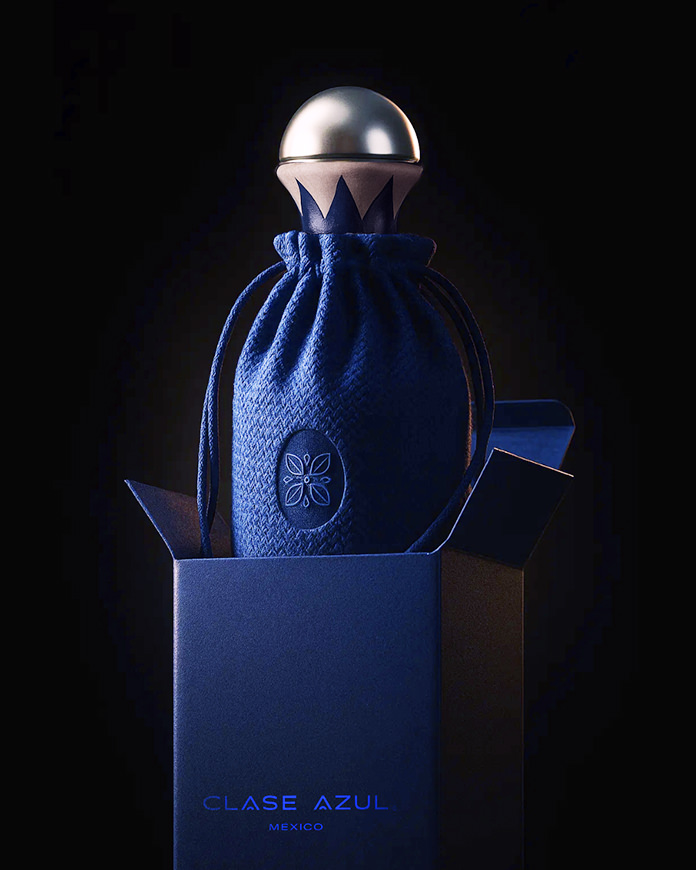

The first step was to establish clear typologies based on the role, scale, audience and experience of each destination.
The brand’s Jalisco destination represented its source: a place connected to production, craftsmanship and the making of Clase Azul México.
A second category encompassed larger hospitality destinations in Mexico. Casa de los Leones in Mexico City exemplified this model: an immersive expression of the brand bringing together gastronomy, spirits, culture, collecting and hospitality within a physical destination.
A third typology addressed smaller, more intimate environments envisioned for international cities such as New York and Tokyo. These experiences were conceived primarily for the collector community, with a greater emphasis on education, private gatherings, limited editions and deeper engagement with Clase Azul spirits.
Allis established a nomenclature for these distinct typologies:
/ Brand Estate: The origin and making of Clase Azul México in Jalisco.
/ Casas: Immersive hospitality destinations rooted in Mexican culture, gastronomy and gathering.
/ Salons: Intimate, collector-focused expressions designed for key global cities.
While intentionally simple, the nomenclature establishes an intuitive hierarchy. Like the maisons and other proprietary destination typologies used by global luxury houses, each term signals a different type of experience while belonging to a shared world. Importantly, the system also creates a framework capable of accommodating future destinations without requiring the architecture to be reconsidered with every expansion.
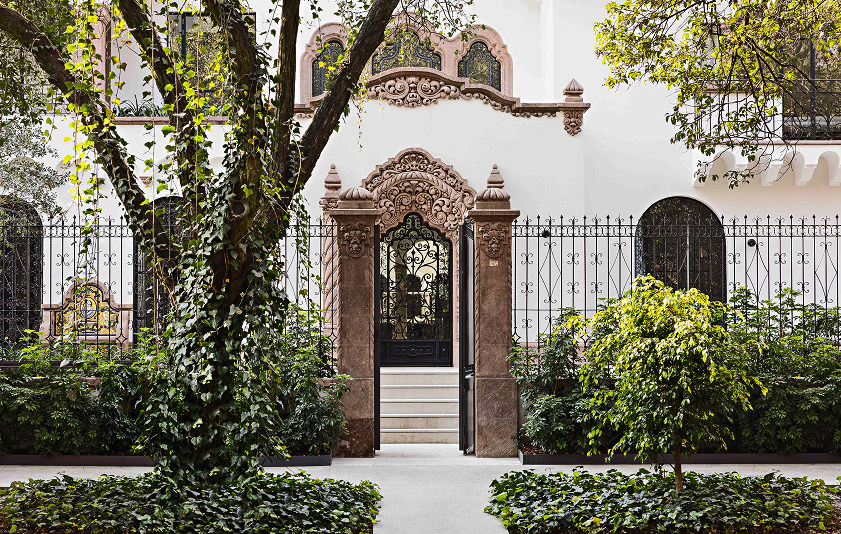
Once the typologies were established, the appropriate relationship to the parent brand could be determined.
The Brand Estate was established as a Branded House, remaining closest to Clase Azul México and carrying the parent brand directly across its identity and experience. As the physical origin of the brand, encompassing production, craftsmanship and the making of its spirits and decanters, its value is intrinsically connected to Clase Azul México itself.
The Salons were established as Sub-brands, extending Clase Azul México through a closely related name, visual identity and verbal expression. As smaller, collector-focused environments centered on the brand, its spirits and its community, their value was inherently tied to the parent brand while allowing for an expression tailored to their more intimate experience and international context.
The Casas were established as Endorsed Brands, giving each destination greater independence to develop its own name, identity and sense of place, with a more subtle endorsement from Clase Azul México. This allows destinations such as Casa de los Leones to establish equity and recognition in their own right while retaining the provenance and credibility of the parent brand.
The result is an architecture that allows Clase Azul México to expand its world while strengthening the meaning of the brand itself. Each new expression can draw from the equity of the parent brand in proportion to what it needs, while building value of its own. As that world continues to grow, the architecture provides the structure for each new destination and experience to feel distinct in its purpose, yet unmistakably part of something larger.